Choose a photo
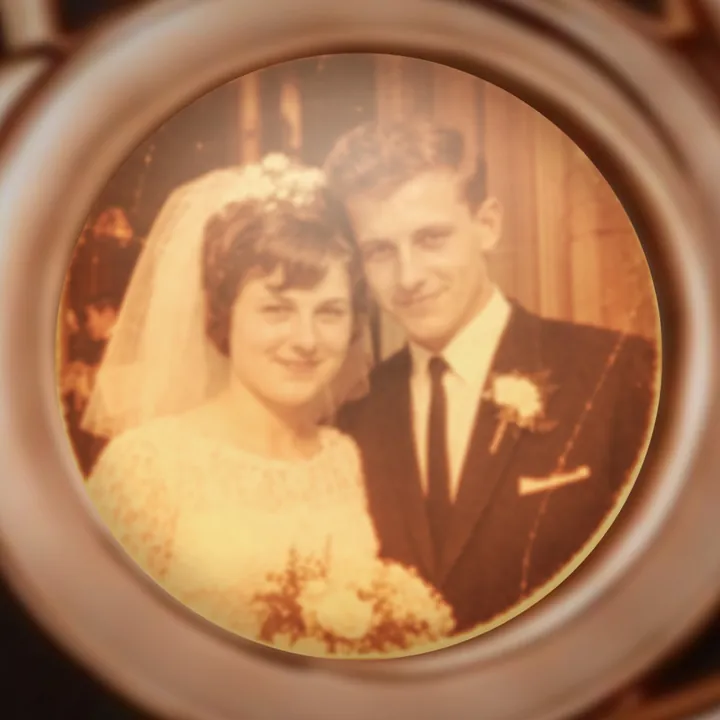
A grandparent, a wedding day, the kids. It’s set behind the lens.
02Search and ads
03AI and automation
04Brand and security
Case study · Art direction, imagery and a scroll-driven product page
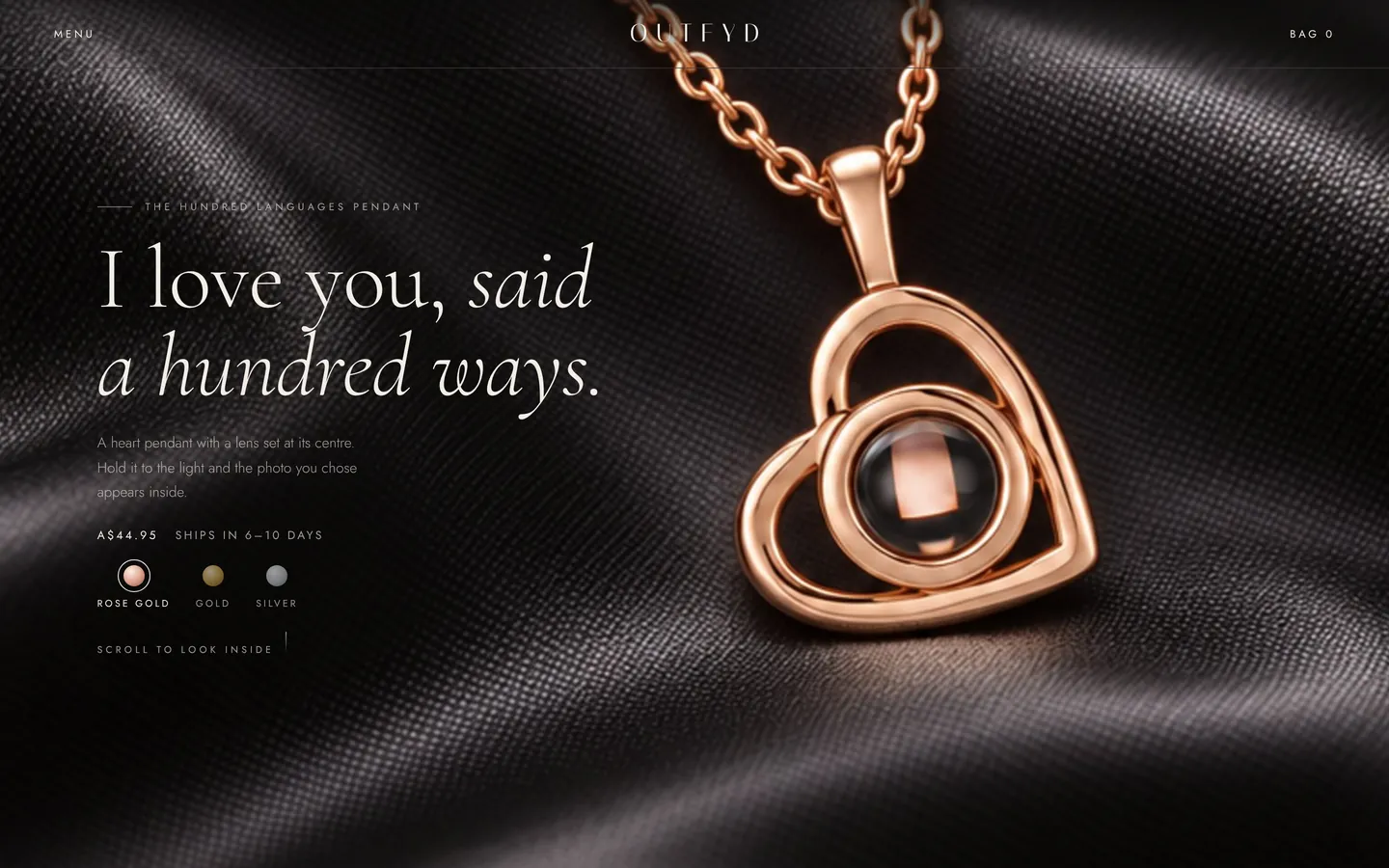
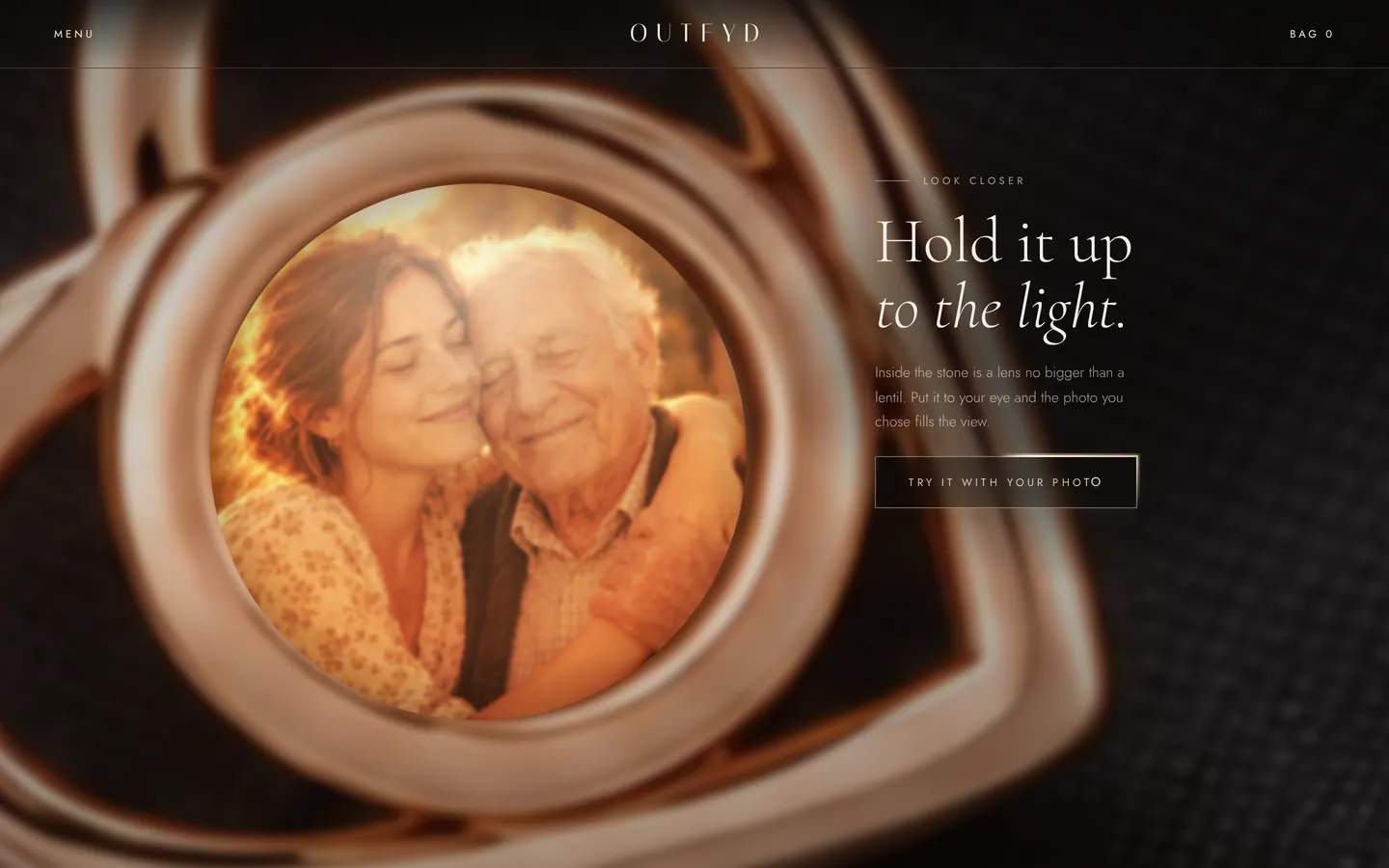
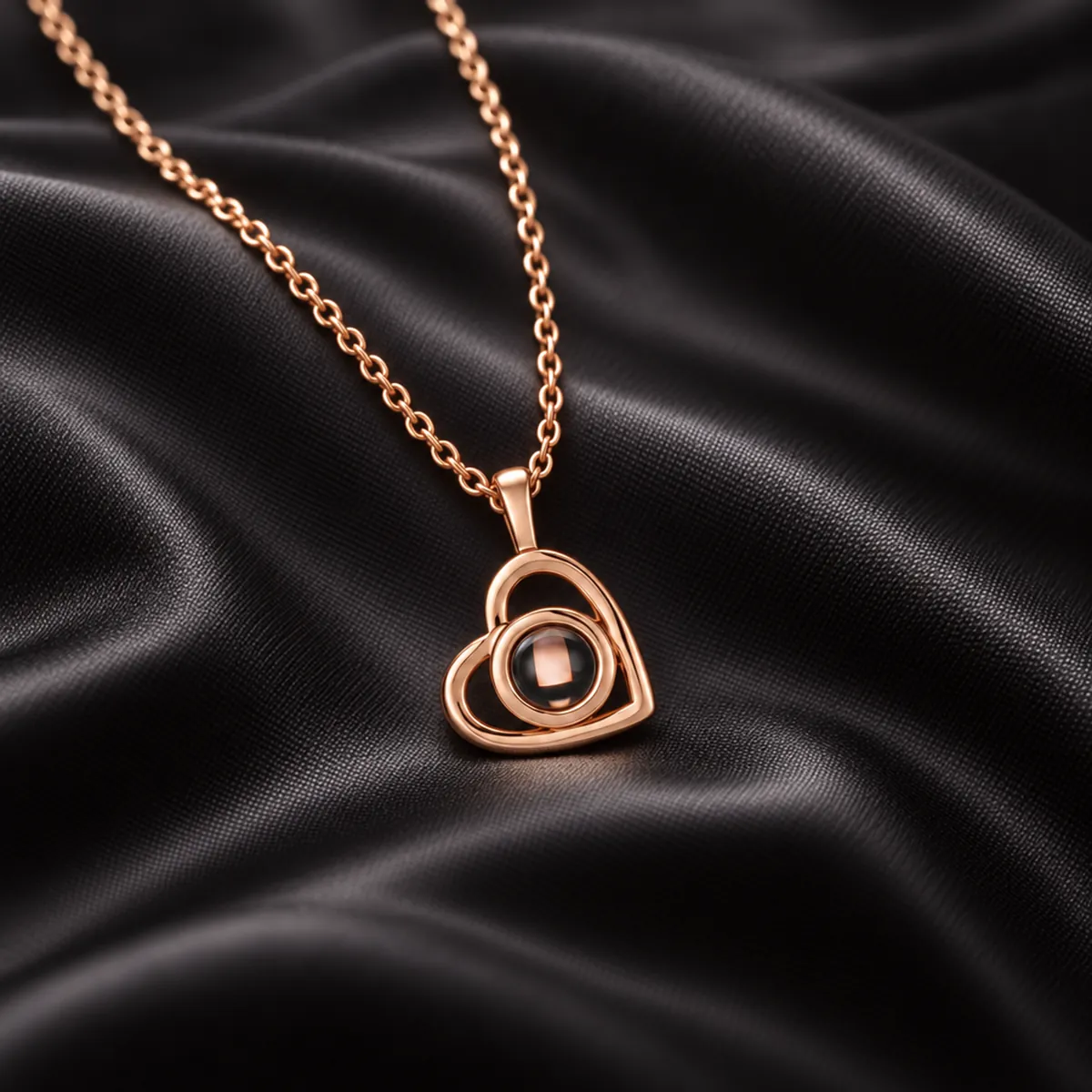
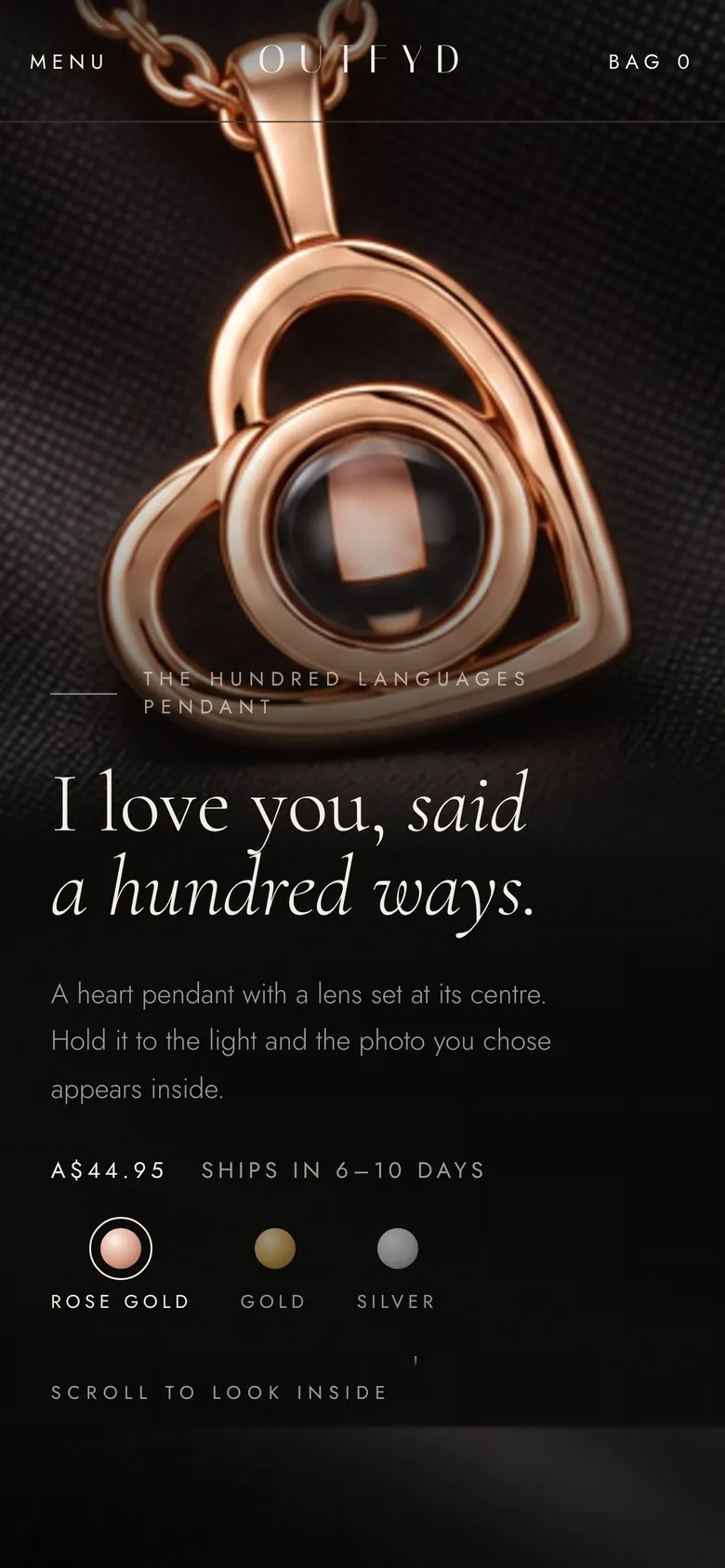
The Hundred Languages Pendant is a heart with a lens no bigger than a lentil at its centre. Hold it to the light and a photo you chose appears inside.
See the scroll storyThe product is small, and its best feature is invisible until you look into it. The page had to show what’s inside the lens before anyone thought to ask.
A grandparent, a wedding day, the kids. It’s set behind the lens.
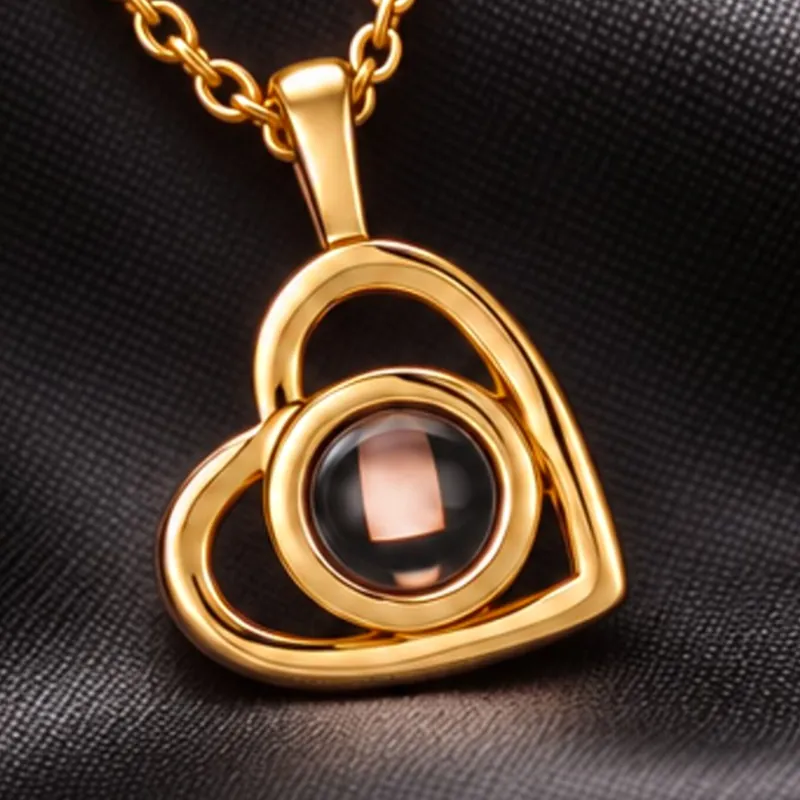
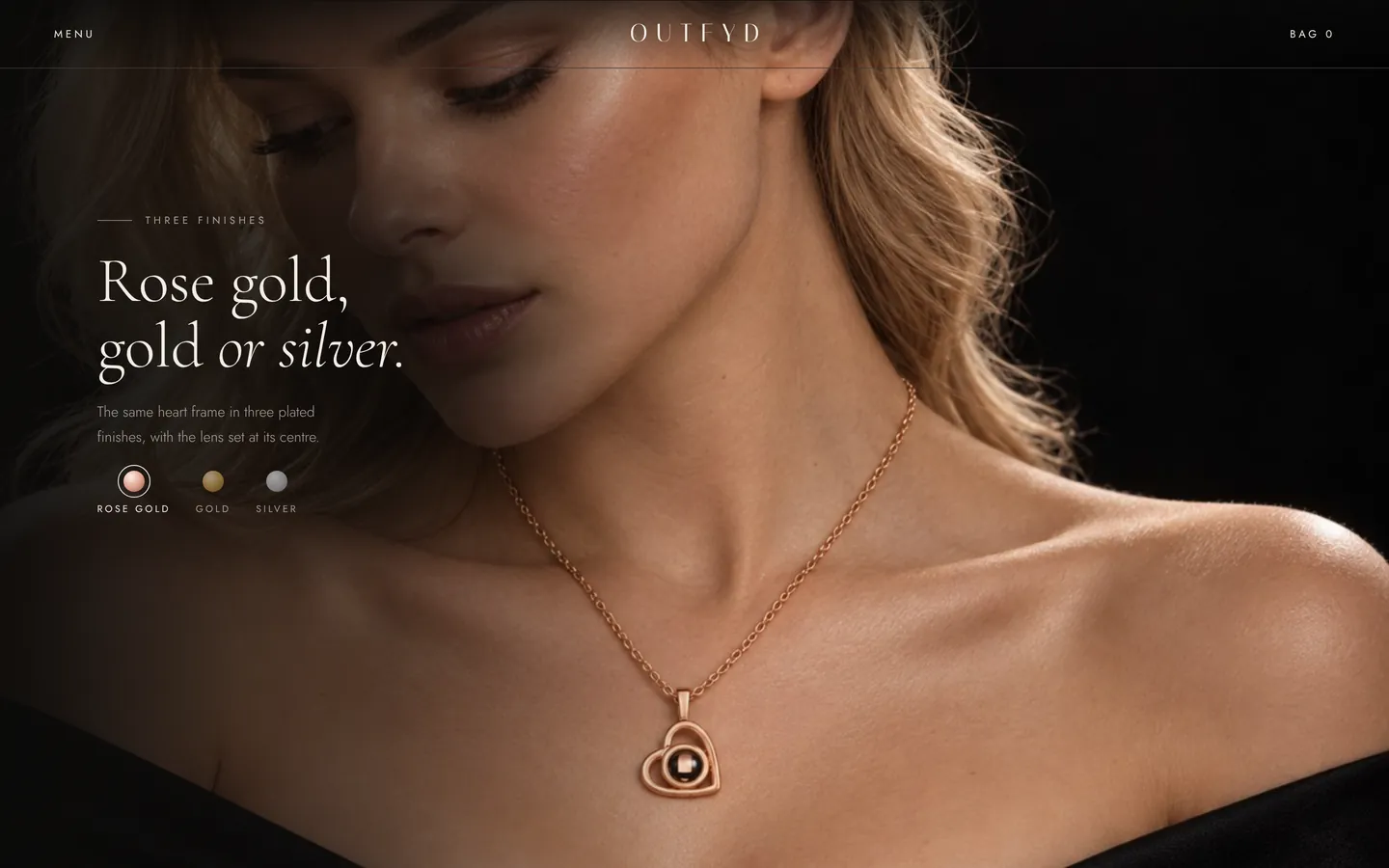
Rose gold, gold or silver plating on the same heart frame.
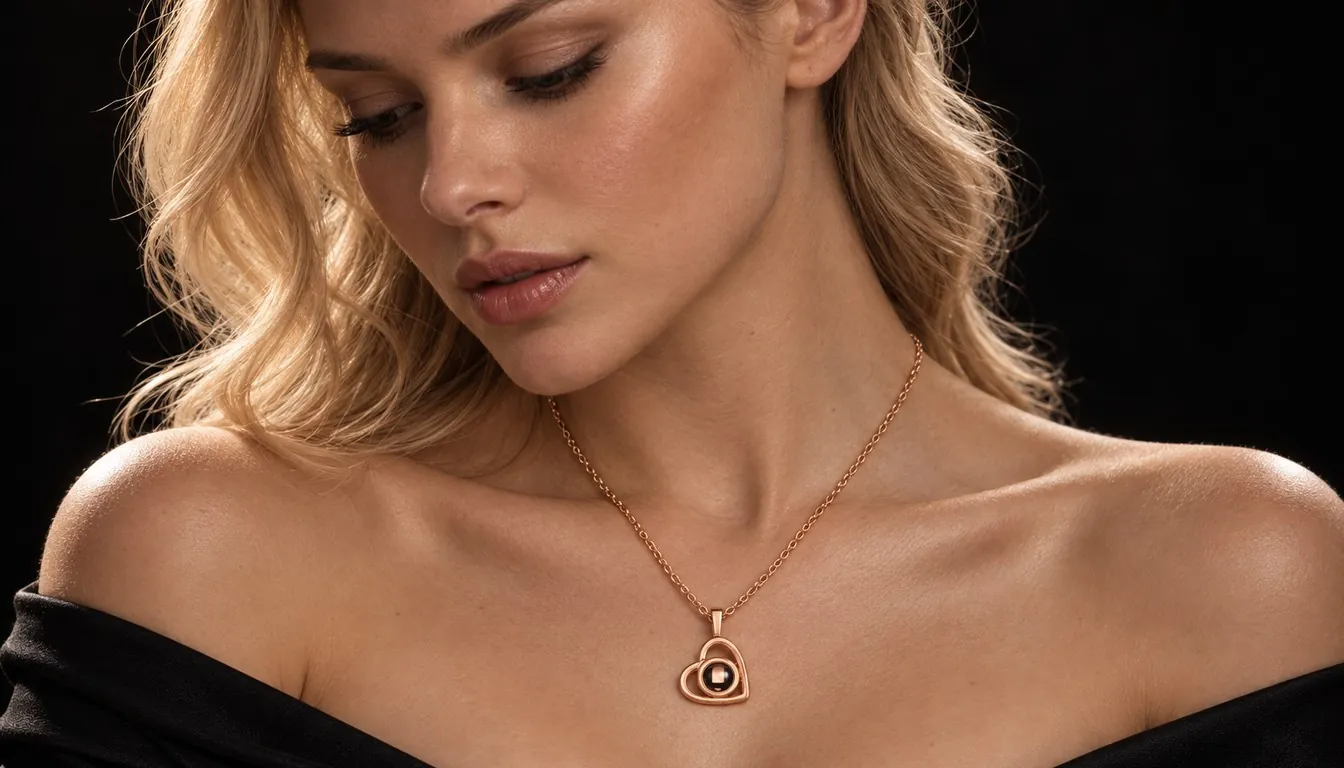
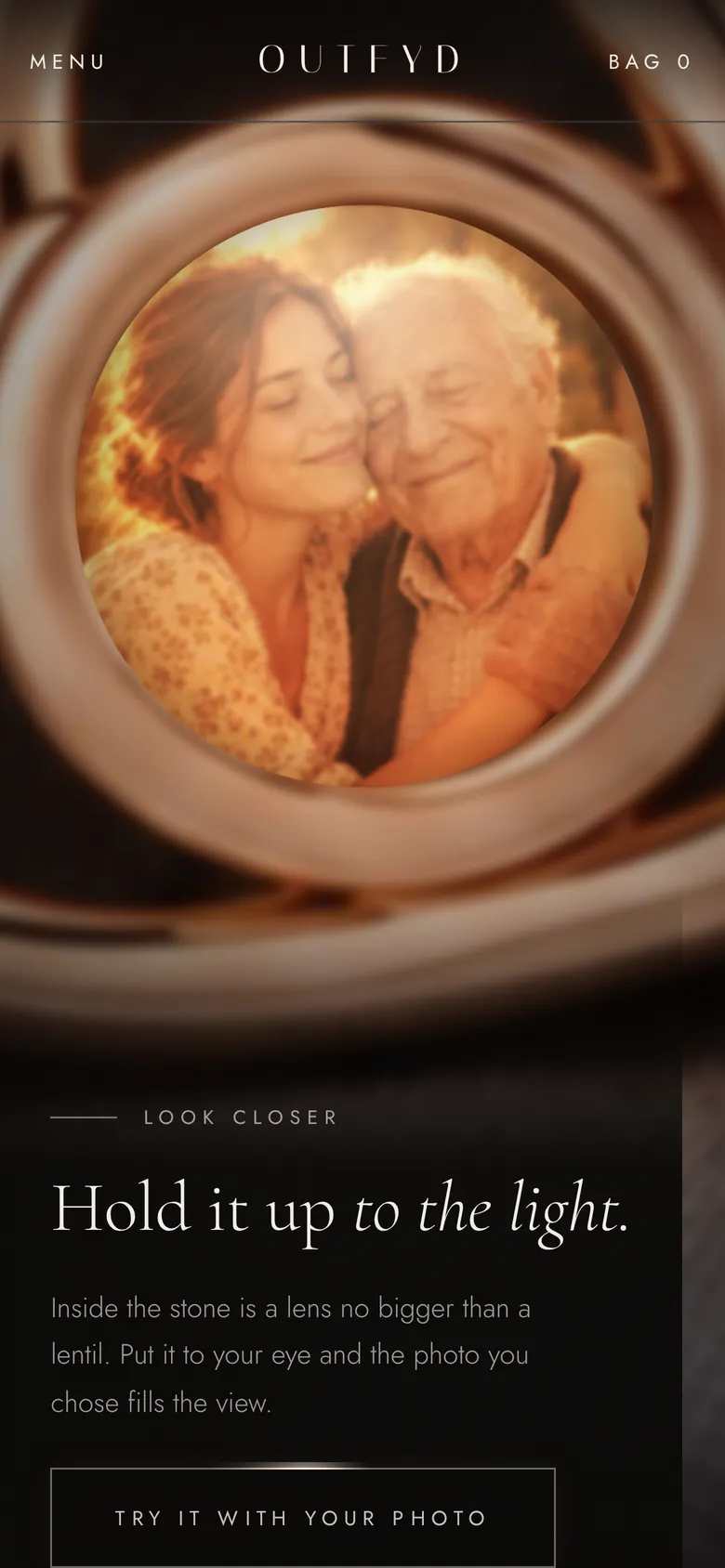
Put the stone to your eye and the photo fills the view.
There are no sections in the usual sense. A single product shot sits behind the whole page, and scrolling moves a camera across it. Pick a stage to see where the camera is.
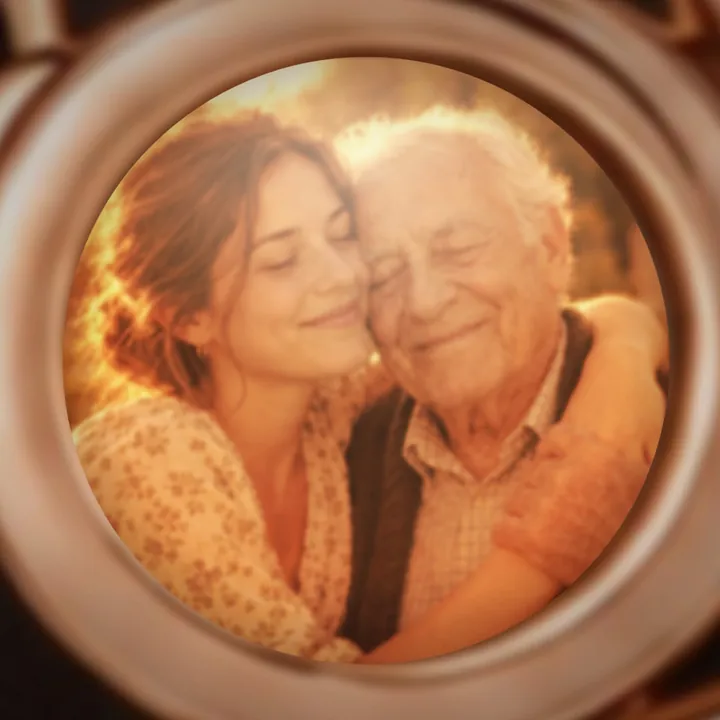
Upload a photo and it drops straight into the lens. An amber cast, a soft bloom from the top and a darker rim make it read as light through glass, not a sticker.
Try a photo

Each finish is a layer over the same shot, so switching is a soft cross-fade and the pendant never jumps. The choice follows you from the hero to checkout.


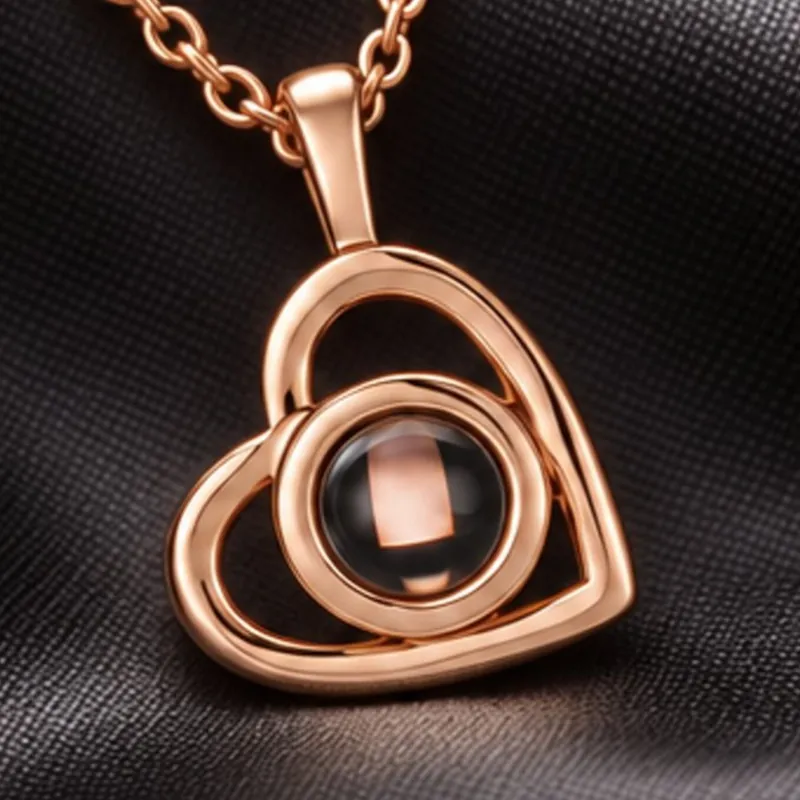
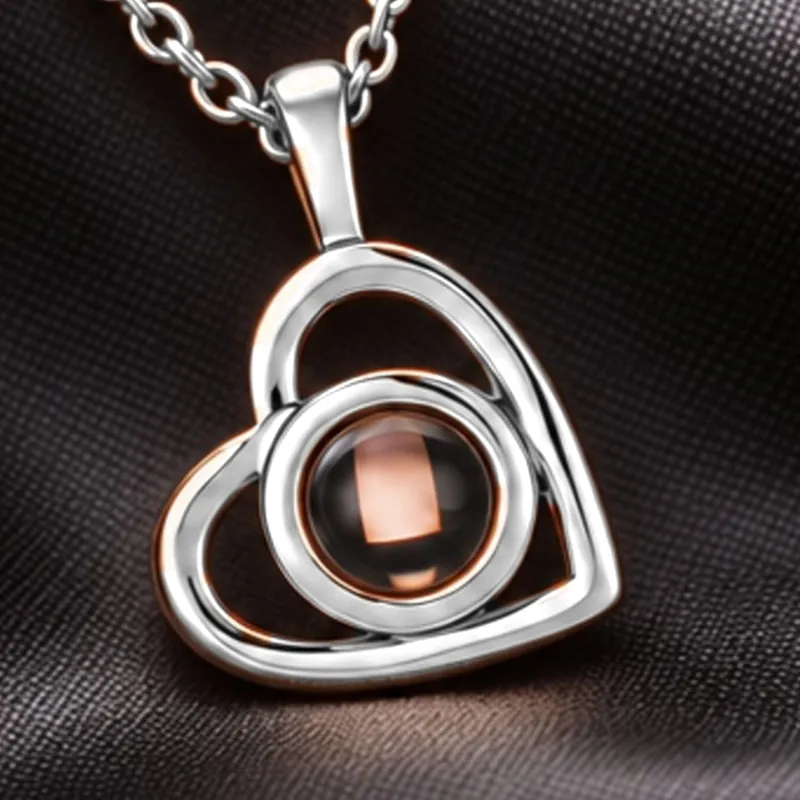
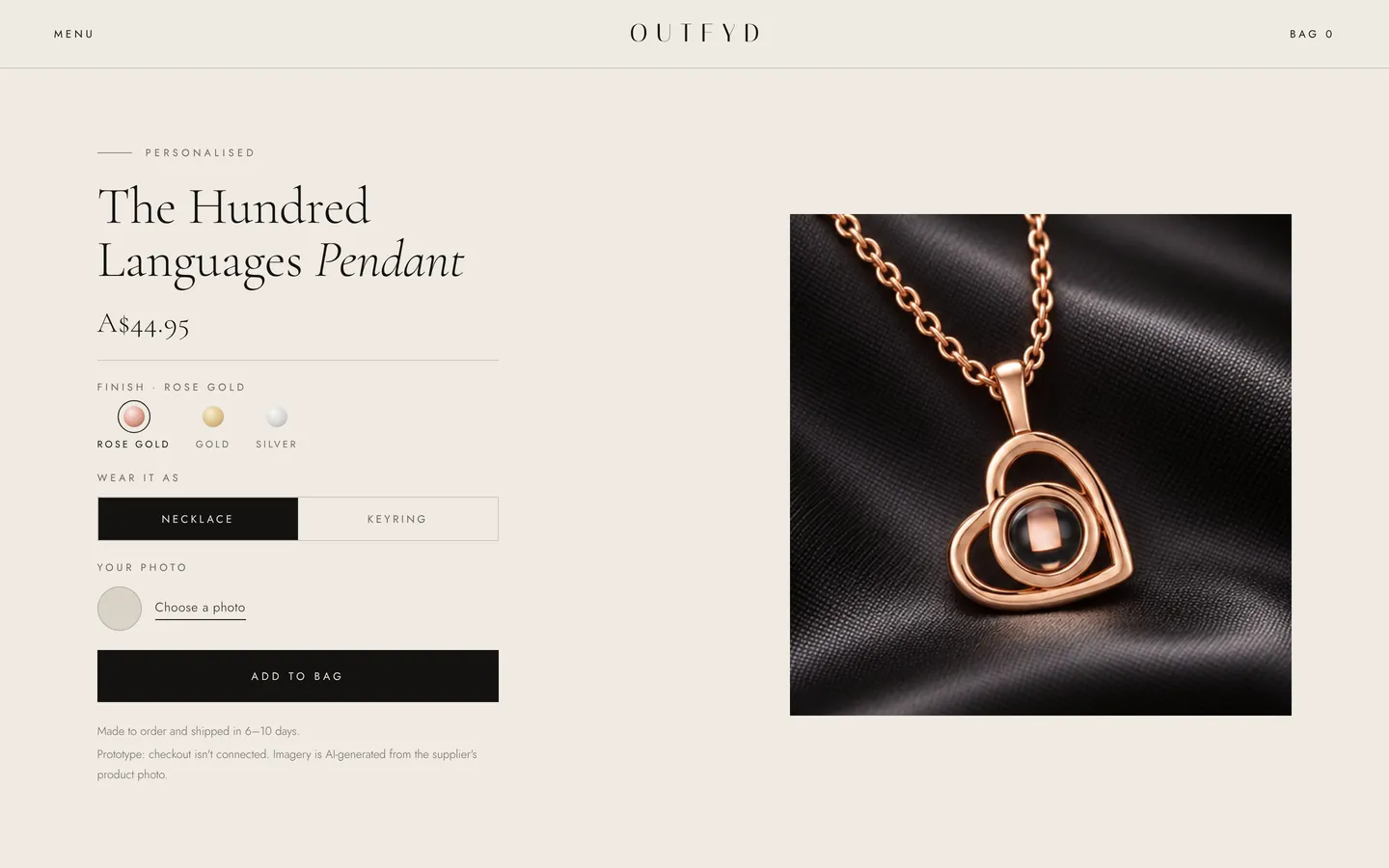
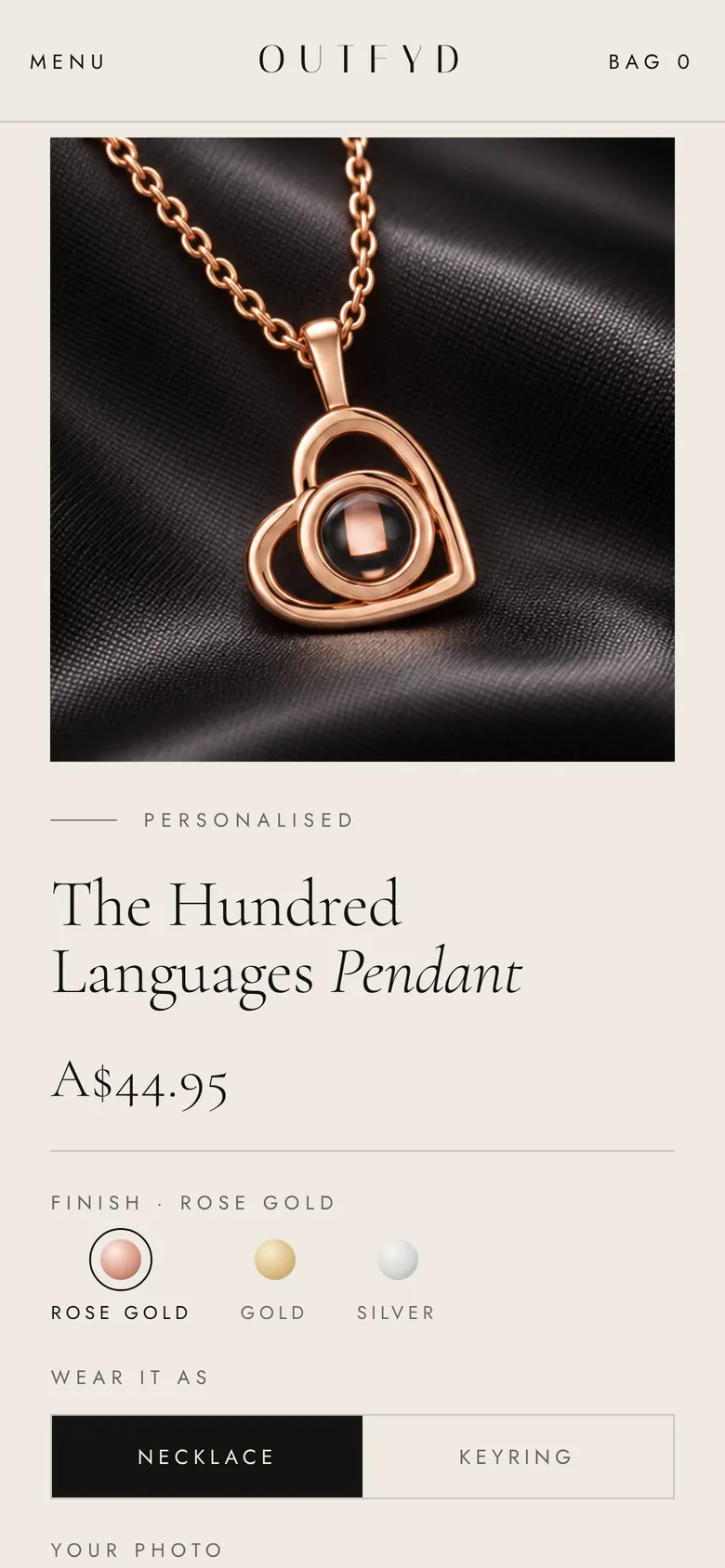
At the end of the scroll the page fades from night to ivory. Finish, necklace or keyring, your photo, add to bag: everything on one calm screen.
The supplier’s catalogue photos were the only source. Every image on the page was generated from them: the studio shot, the model in three finishes and the photos in the lens.
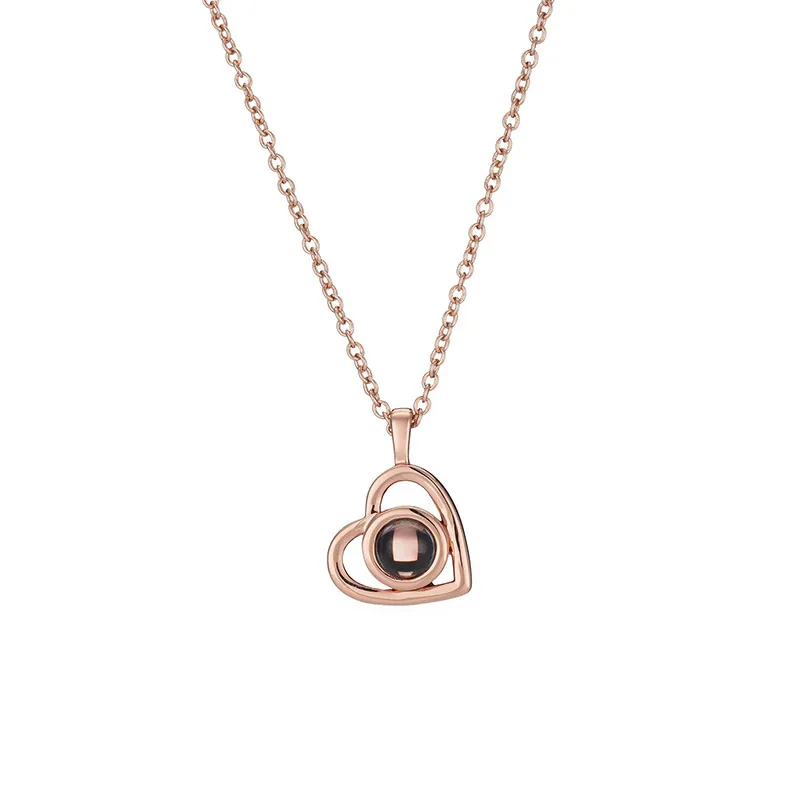
A night palette that lets the metal do the talking, ivory for the moment of purchase, and the three plated finishes as the only colour.
Wordmark · Italiana
OUTFYD
Display · Cormorant Garamond Light
Hold it up to the light.
Body · Jost Light
Inside the stone is a lens no bigger than a lentil.
Components
Label · Jost, spaced caps
Look closerOn a phone the camera re-frames for portrait. The product holds the top of the screen and the copy rises out of the dark beneath it.
Under the hood · The camera rig
The page is one square product photograph held behind the copy. We know exactly where the lens sits in that photo, so every chapter of the scroll is a camera position: where to point, how close to go and what to fade in. One timeline plays them in order as you scroll.
One square studio shot, sized so the camera can travel without running off the edge.
The lens is measured once, as a point and a radius inside the photo.
One GSAP ScrollTrigger timeline: push in, focus, pull back, fade to the model.
Gold and silver are masked colour layers over the same photo, so finishes cross-fade.
At checkout the night fades to ivory and the menu switches to dark ink.
Any uploaded photo gets the amber, bloom and rim treatment.
Finishes are layers, not new photos, so nothing shifts.
Portrait has its own camera positions and a copy panel below.
If motion is turned down, the drift and the shimmer stop.
The stack
OUTFYD
The result
A small product with a hidden feature now shows it in the first scroll. One photograph carries the whole page, every image came from the supplier’s catalogue, and the same approach works for the next product in the store.
Start your project